As Africa continues to strengthen its energy sector, the importance of local manufacturing, engineering expertise and technological innovation has never been greater.
Building reliable energy systems requires more than power generation; it depends on a strong industrial base capable of producing infrastructure, components and skills needed to support long-term economic growth.
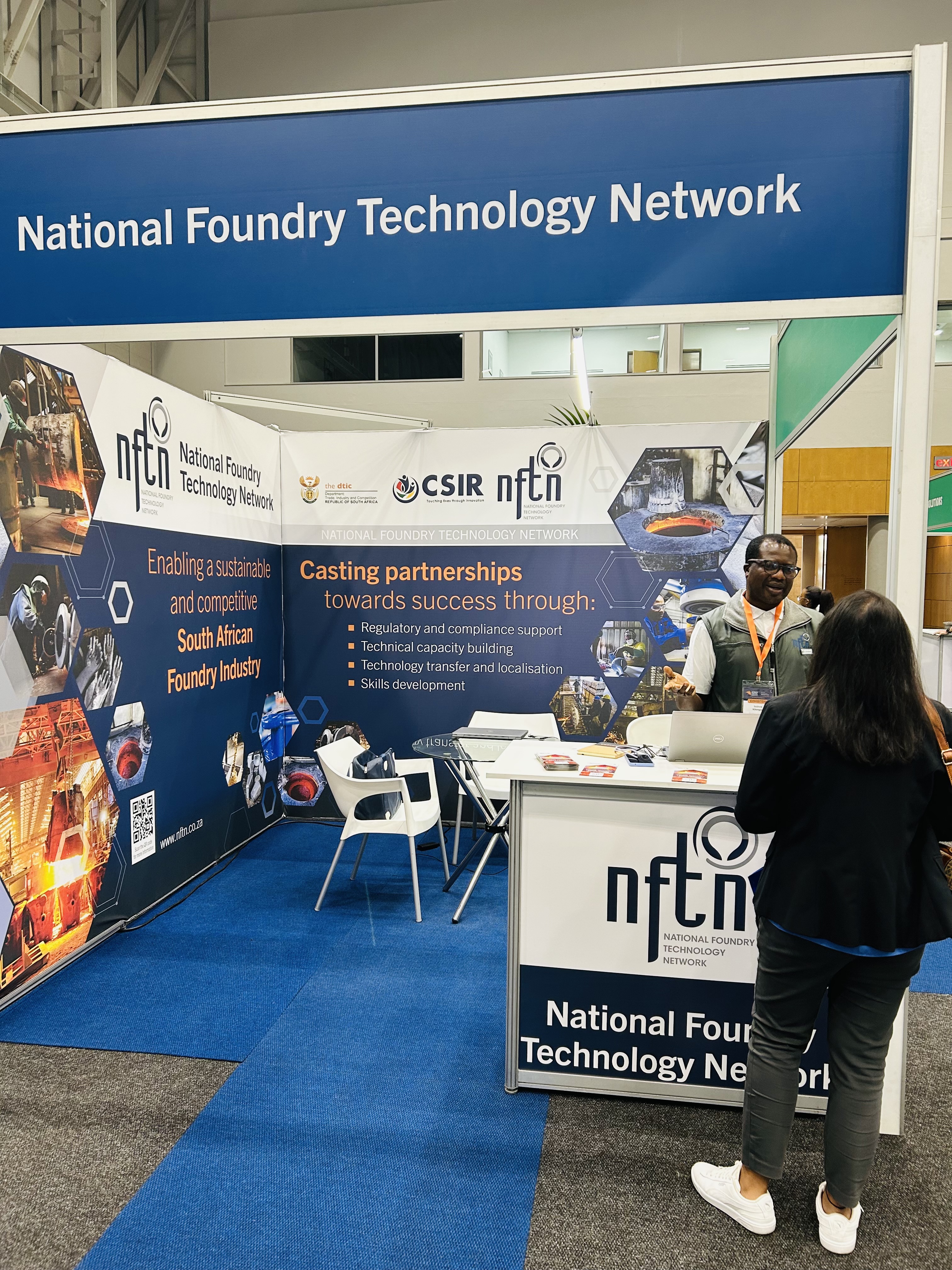
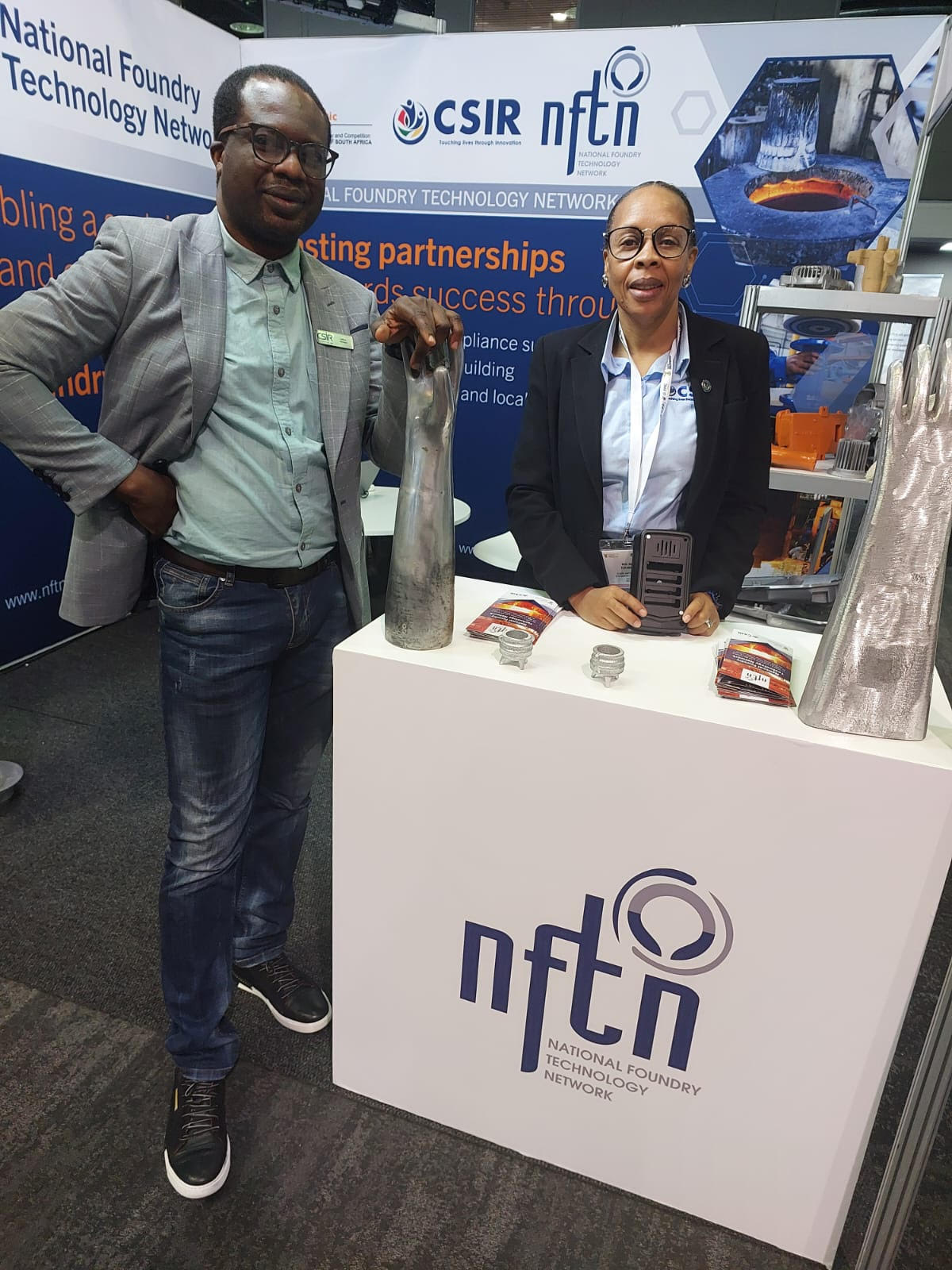
The National Foundry Technology Network (NFTN) plays an important role in advancing South Africa’s foundry and metal-casting industry while contributing to the broader development of manufacturing across the continent. Through technology development, skills enhancement, research and industry collaboration, NFTN is helping to build a competitive industrial sector that supports critical infrastructure and energy development.
A sustainable-energy future depends on strong industrial capabilities. As Africa diversifies its energy mix and expands investments in natural gas, renewable energy and other energy technologies, there is a growing need to manufacture key components locally. Thus, pipelines, turbines, valves, castings and other industrial equipment can increasingly be produced within Africa, reducing reliance on imports while strengthening regional supply chains and creating employment opportunities.
While South Africa remains NFTN’s primary focus, the organisation recognises the significant opportunities presented by growing energy demand across the African continent. By fostering partnerships, sharing technical knowledge and supporting regional value chains, NFTN aims to contribute to a more integrated and resilient African manufacturing ecosystem.
Africa also has an opportunity to strengthen its position in global markets by moving beyond the export of raw materials. Investing in manufacturing, infrastructure and value-added production will enable the continent to meet domestic energy needs while becoming a competitive participant in international supply chains. Achieving this requires stronger alignment between energy policy and industrial policy, with greater support for localisation, small and medium enterprises and industrial innovation.
Africa’s energy future
One of the key challenges facing industrial development is transforming technical expertise into commercially viable projects. NFTN addresses this by working closely with industry partners to ensure local capabilities meet international standards while promoting collaboration between industrial stakeholders and development finance institutions to unlock investment for scalable initiatives.
Innovation and skills development remain central to NFTN’s mission. By investing in research, training and the adoption of advanced manufacturing technologies, the organisation is helping prepare a skilled workforce capable of supporting Africa’s evolving industrial landscape and maintaining global competitiveness.
Africa’s energy future is closely linked to its industrial future. Long-term, sustainable growth will come not only from expanding energy generation but also from developing integrated value chains that include local manufacturing, technology development and capacity building. Organisations that invest in strengthening Africa’s industrial ecosystem today will be well positioned to contribute to the continent’s future economic growth and industrial transformation. As Africa advances towards greater energy security and industrial development, organisations such as NFTN continue to demonstrate that lasting progress depends not only on abundant natural resources but also on the ability to transform those resources into locally manufactured products, skilled employment and sustainable industrial capability.