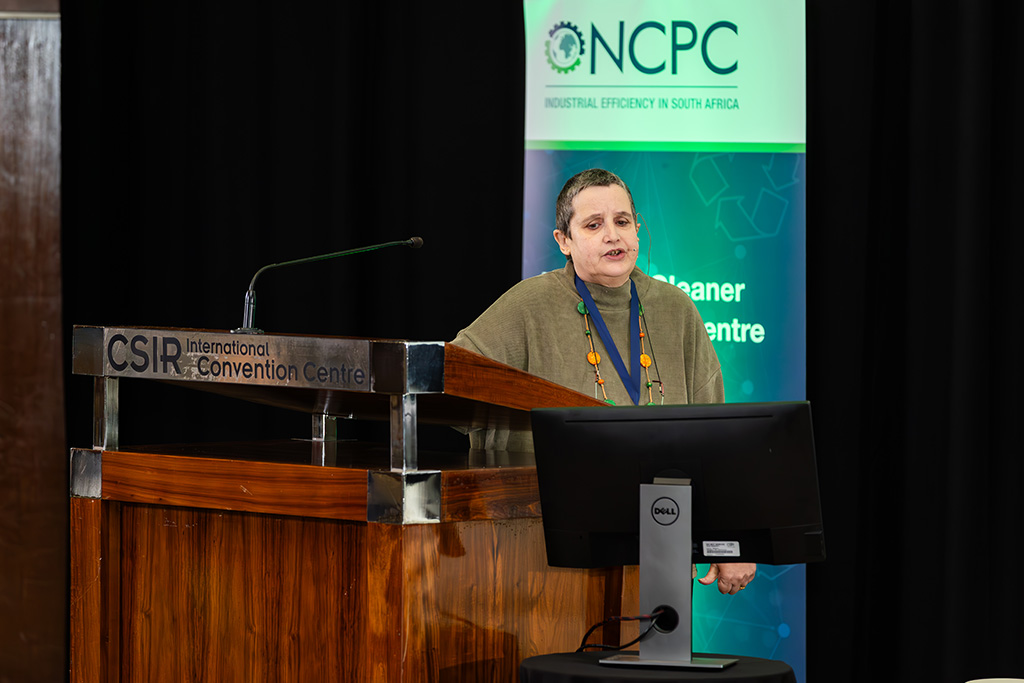
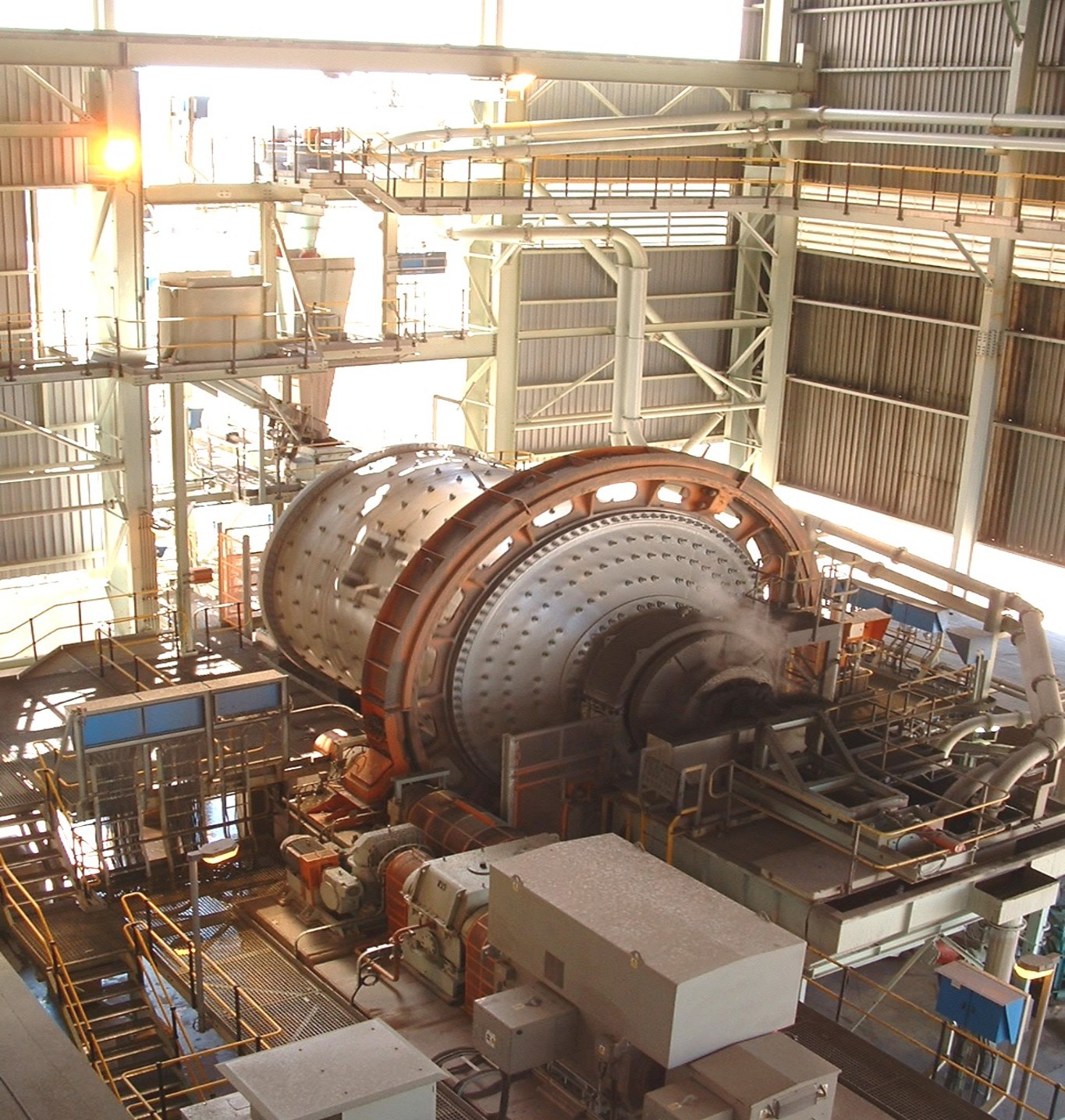
Manini Phokwane Ramagaga, senior project manager for the Sector Sustainability Portfolio at NFTN, highlights the key achievements and contributions of the EffSAfound project to optimise high-chrome white cast iron (HCWCI) castings for the mining industry.
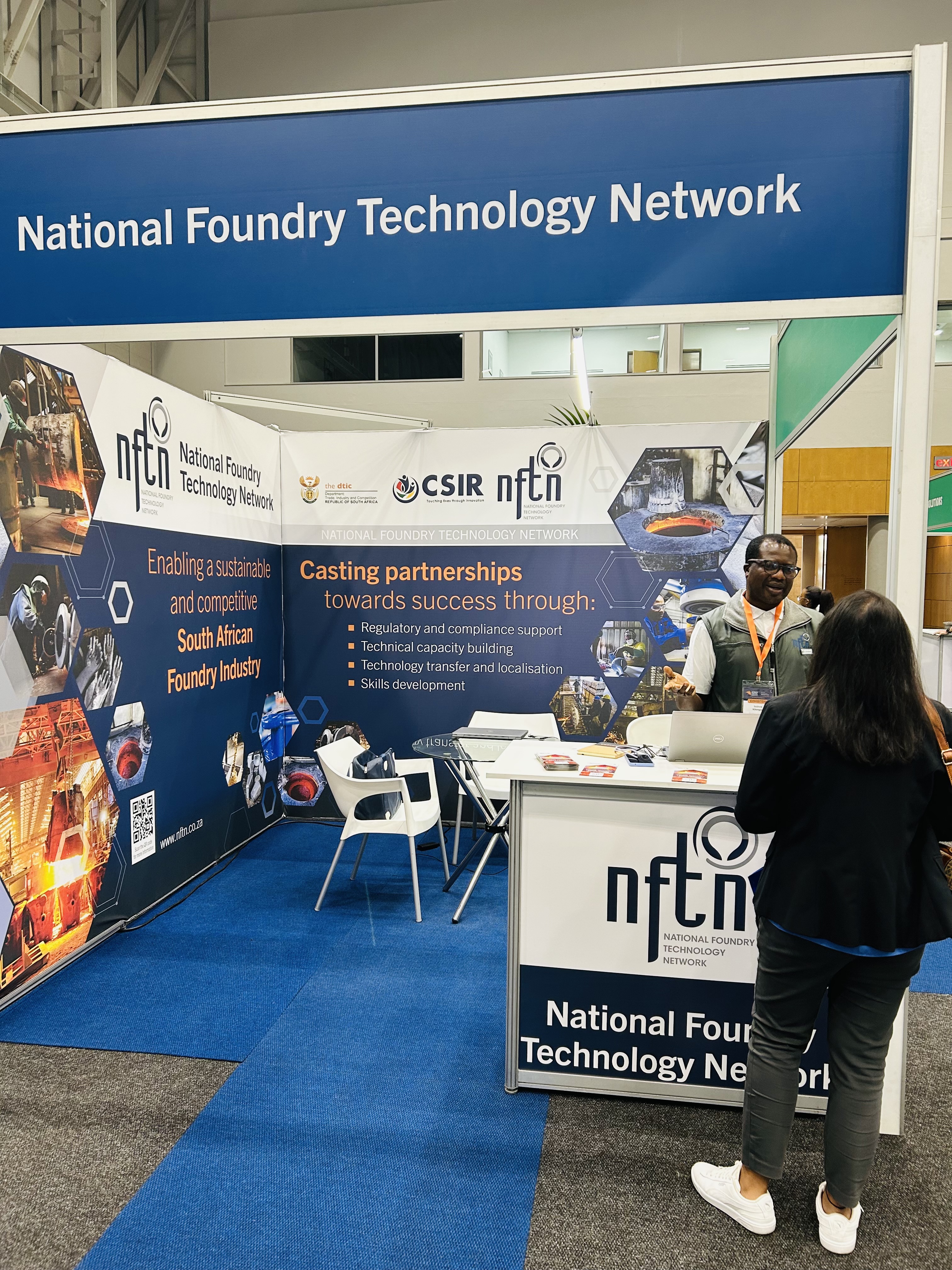
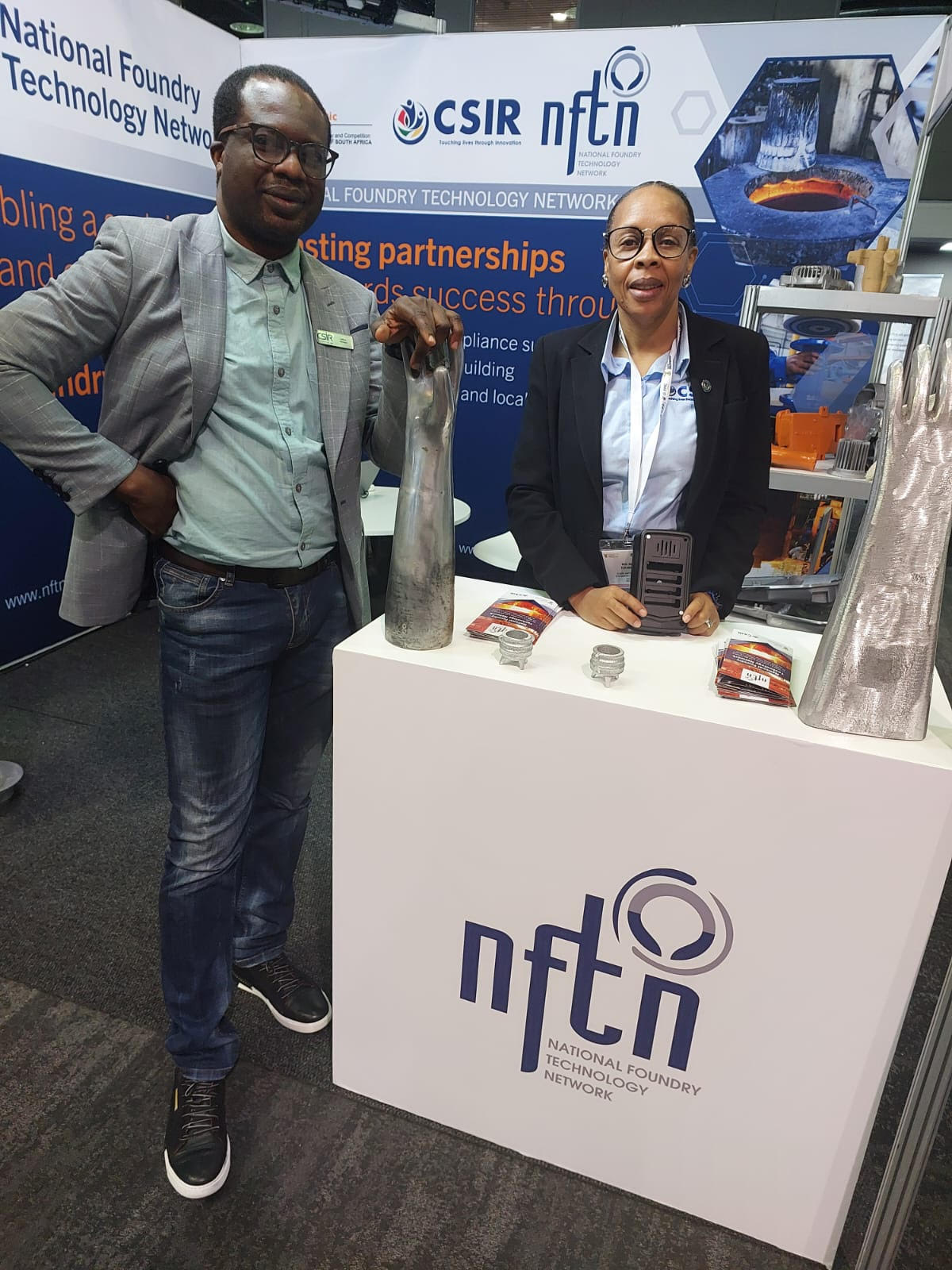
The NFTN is an initiative established by the dtic in 2008 to improve the competitiveness and sustainability of the South African foundry sector. “Our role is to support various intervention projects to improve the sustainability of our foundry industry and to re-establish healthy growth,” begins Ramagaga.
One of the early projects, commenced in earnest in 2015, was EffSAfound, the Efficiency Improvement for the South African Foundries project, a Triple Helix Project comprising:
- Academia: The University of Johannesburg (UJ), GIZ Science Ministry, IFG in Germany, and Mintek.
- South African Foundry participating companies: Kimberley Engineering (KEW), Matt Cast Supplies, Mitak (MIS), Scaw Group and Yellow Star
- Government bodies: the dtic, CSIR, and the NFTN as the project management institution.
High-chrome white cast iron (HCWCI)
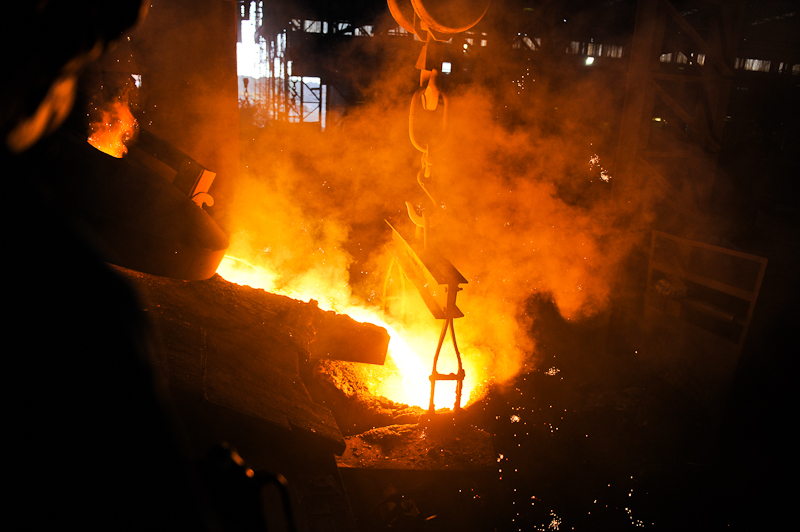
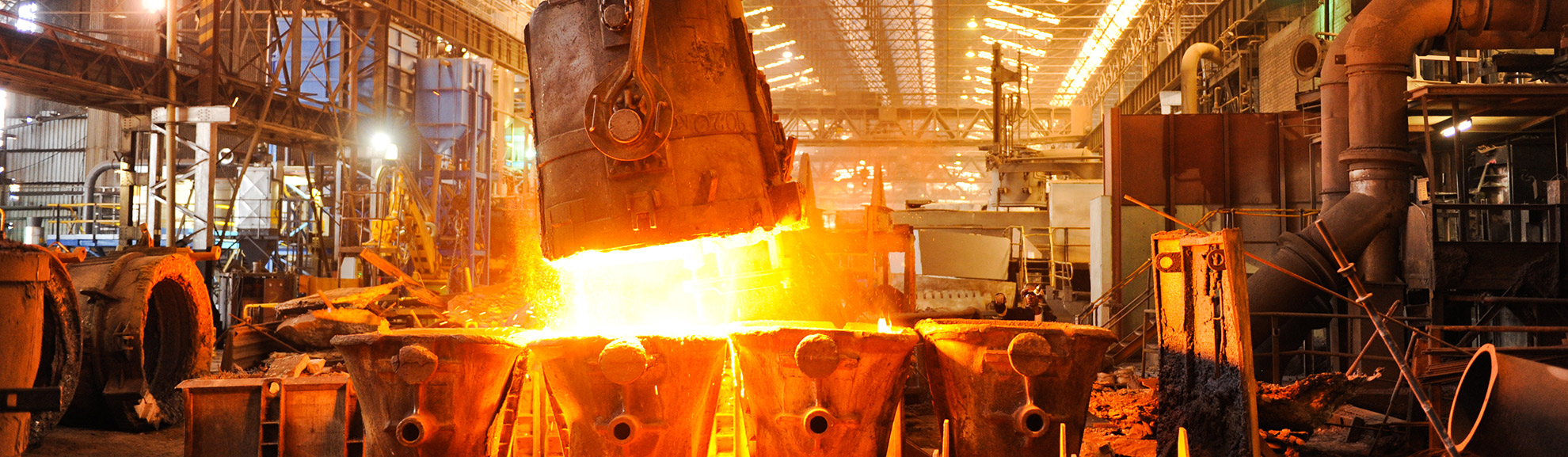
The EffSAfound project focused on optimising HCWCI casting for grinding media, liners, and wear parts for grinding mills, jaw and cone crushers, and castings in the mining sector. “We were facing a production efficiency issue with respect to the casting quality being achieved by participating foundries, so we put in place a programme to identify the issues involved, to reduce scrap volumes, and to set our local foundries on a more competitive path with imports,” Ramagaga tells MechChem Africa (MCA).
South African foundries interested in improving the material efficiency of their HCWCI castings were identified as partners, with the most active being Mitak, Matt Cast Supplies, Scaw Group, Yellow Star, and Kew Foundries. “Yellow Star is unique in that it is a specialist in lost-foam castings that has developed capabilities specifically for HCWCI in South Africa. Mitak, Matt Cast Supplies, Scaw Group and Kew Foundries are sand-casting foundries, which meant that the entire range of casting processes and manufacturing capabilities for the HCWCI material was covered,” explains Ramagaga.
“Highlighting the quality requirements for grinding media and liner hardware castings supply, she points out that any maintenance on a ball mill will cause downtime in the mine’s production: “Mine production works like a vacuum hose; it must be continuous. The grinding media is ordered based on volume and quality. The quality and material composition determine how long a ball mill remains operational during production, and fewer stoppages result in improved productivity and efficiencies,” she informs MCA.”
By participating in this project, the foundries improved to compete with imports,” she adds.
Foundry simulation optimisation
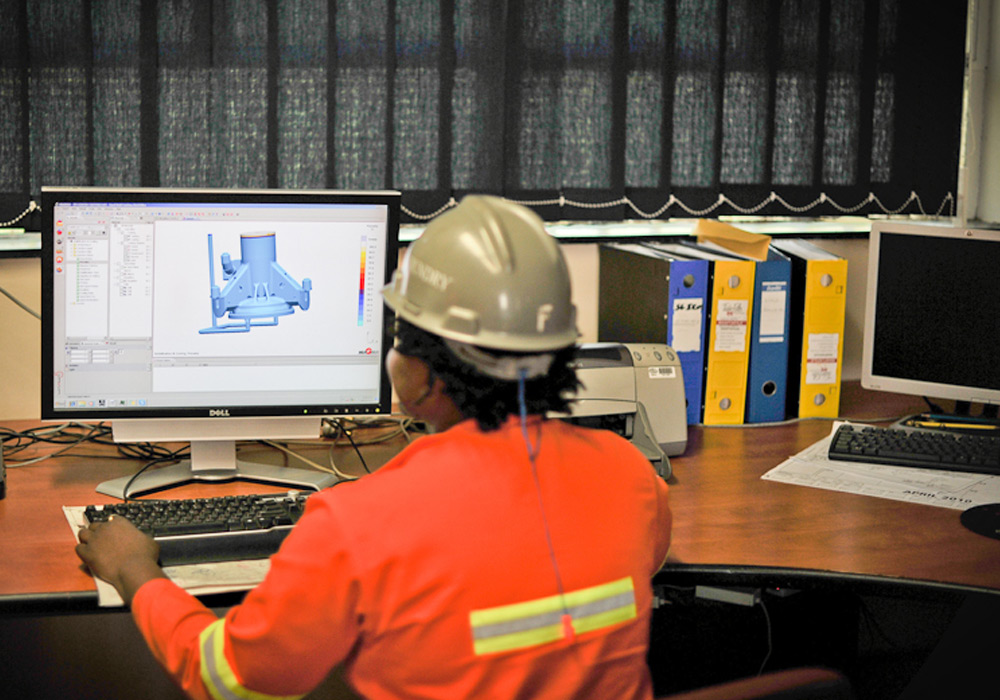
High-chrome white cast iron (HCWCI) is a challenging material to cast, and SA has a rich history of innovation, research and development. It has very low ductility, making it highly susceptible to both hot tearing and cold cracking during casting. Simulation tools such as Magma Software’s MAGMASOFT help predict defects. If 20% of every foundry casting pour has to be scrapped, productivity goes down, costs go up, and the foundry can quickly become uncompetitive.
“Our German partners in the project were interested in MAGMASOFT, a foundry software simulation suite for analysing and optimising mould filling, solidification, and cooling processes. This software is used by 80-90% of our foundries to develop repeatable casting procedures with low reject rates. This made the software an ideal research and development focus for optimising HCWCI consumable production for our mining industry,” Manini explains.
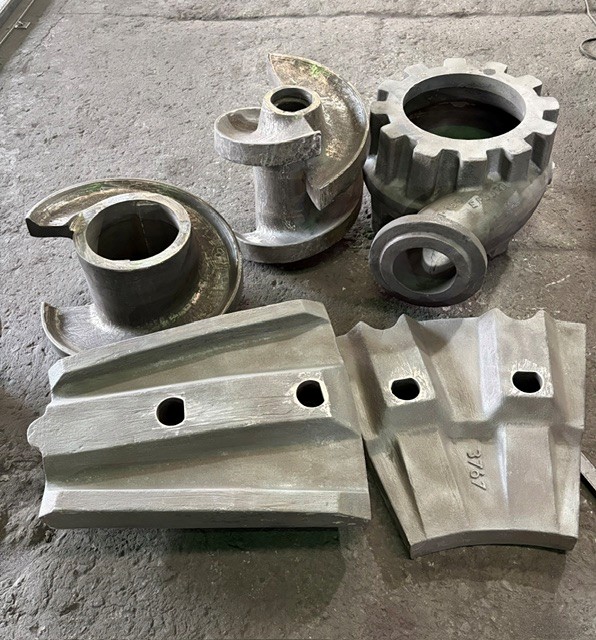
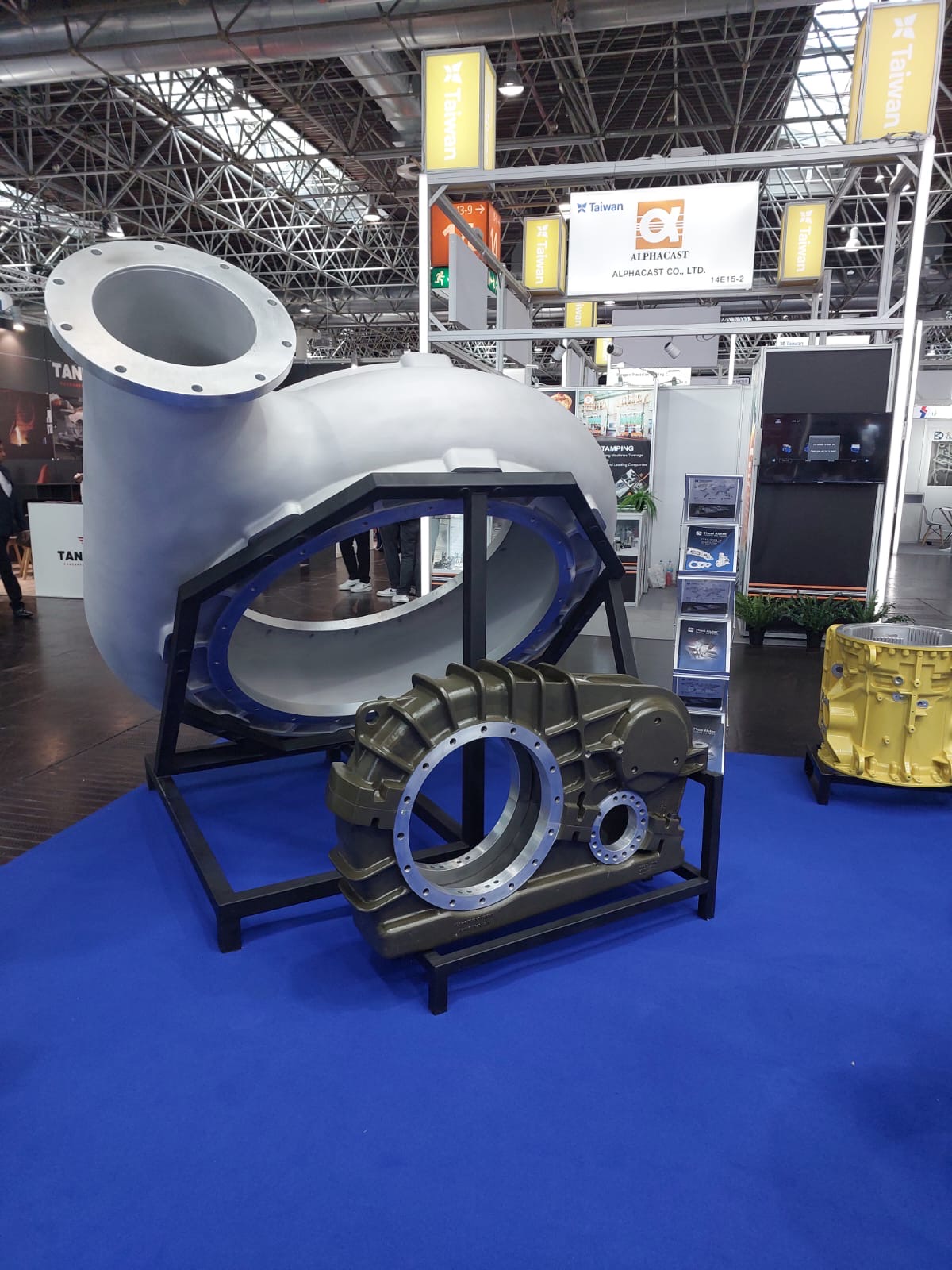
A collection of optimised HCWCI components
Skills development
“Magma was happy for us to use their software to optimise high-chrome white cast iron simulations within their package,” she continues. Postgraduate MTech students were enrolled at the UJ, with one progressing to complete the PhD. The other students have now secured high-level technical positions in the foundry industry as a result of their work on this project.
The University of Johannesburg (UJ) is one of the few universities in South Africa that offers Foundry Technology as a full elective in the undergraduate Engineering in Physical Metallurgy program and in the postgraduate degree course.
Students worked in different areas aligned with the key needs of the four participating foundries, significantly extending the software’s scope for multiple HCWCI applications in the mining industry. “MAGMASOFT is used by foundries across the globe, including 70 to 80% of South Africa’s foundries. We can very proudly say that, globally, the foundry industry now has access to an optimised HCWCI solution from MAGMASOFT, a vastly improved capability for simulating high-chrome metal casting parameters, built on South African knowledge and data sets to serve the entire world,” Ramagaga tells MCA.
“Over the past few decades, the South African foundry sector has been shrinking. This project and its knowledge contribution to HCWCI material development helps to improve production efficiency and reduce scrap. We are very proud of South Africa’s contribution to this global knowledge base for High Chrome White Casting Iron (HCWCI) material, and in particular, of the impact our mission has had on local competitiveness.”
“Our mission is to improve the competitiveness of our foundry sector and to promote resilience and growth. We look forward to more successes like the EFFSAFOUND project and are open to supporting any South African foundry looking to increase productivity and efficiency, reduce scrap, improve energy efficiency, enhance product quality, develop sector skills, and contribute to the manufacturing economy,” Ramagaga concludes.