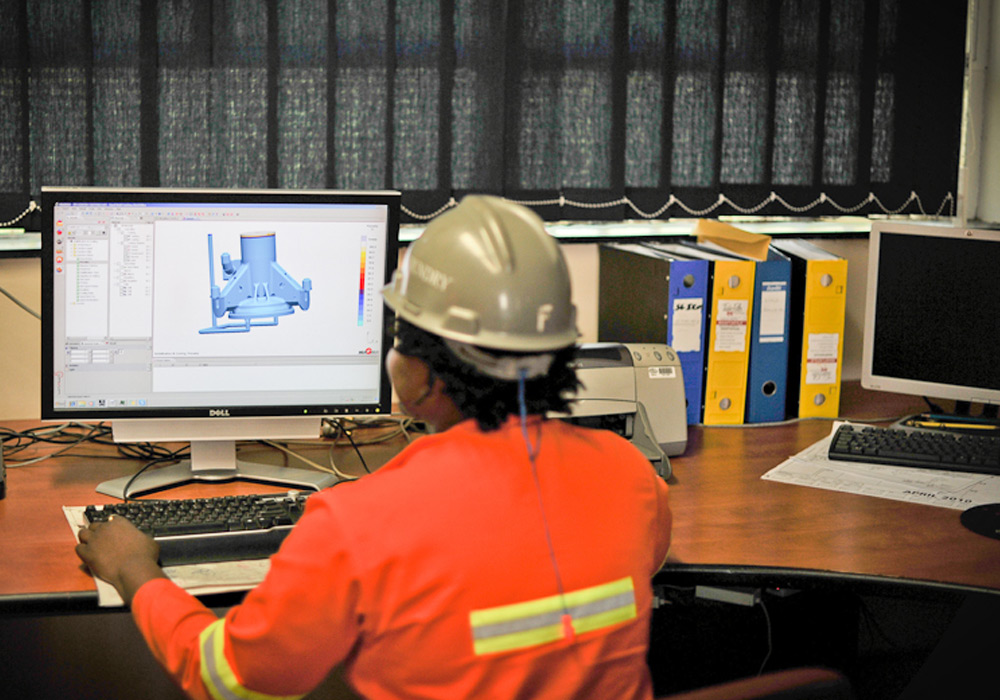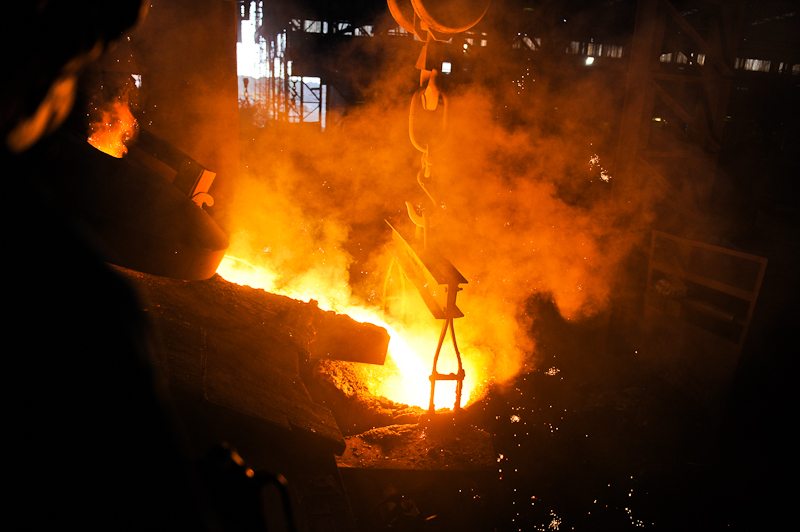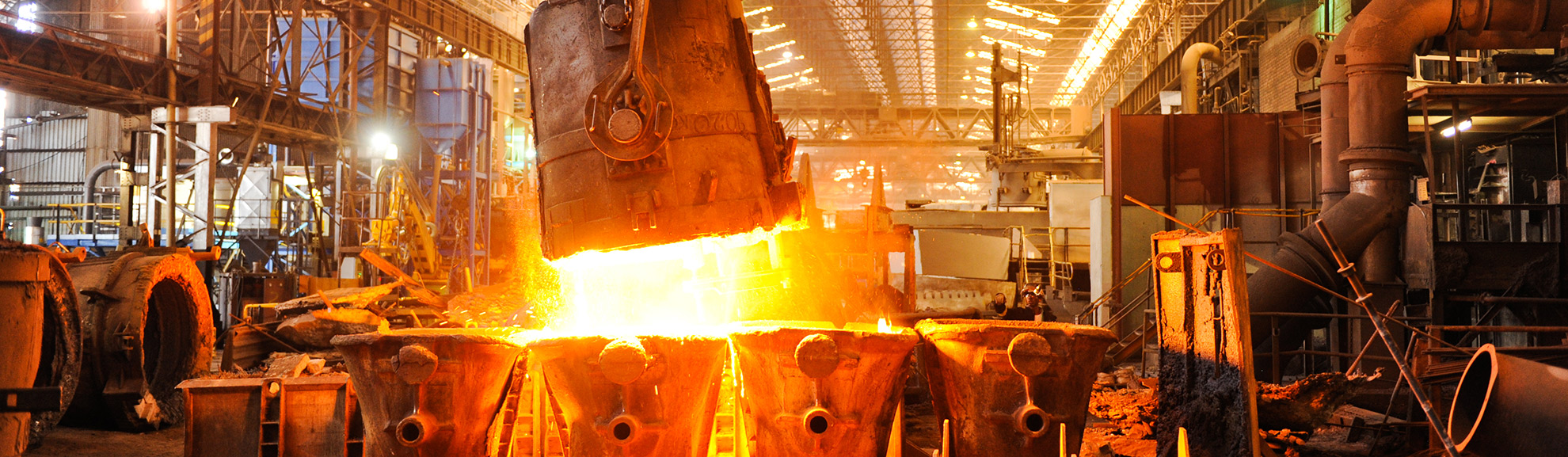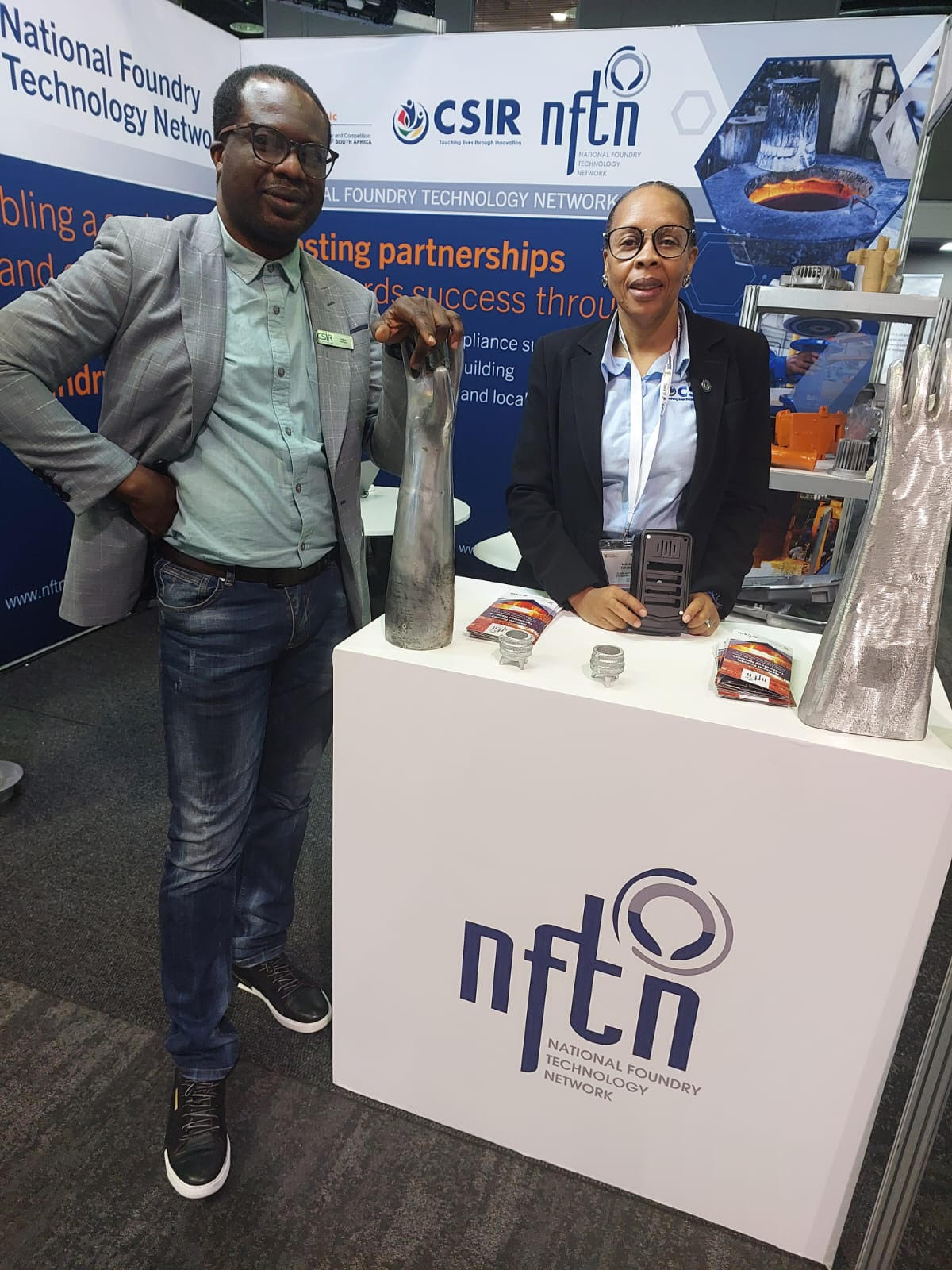
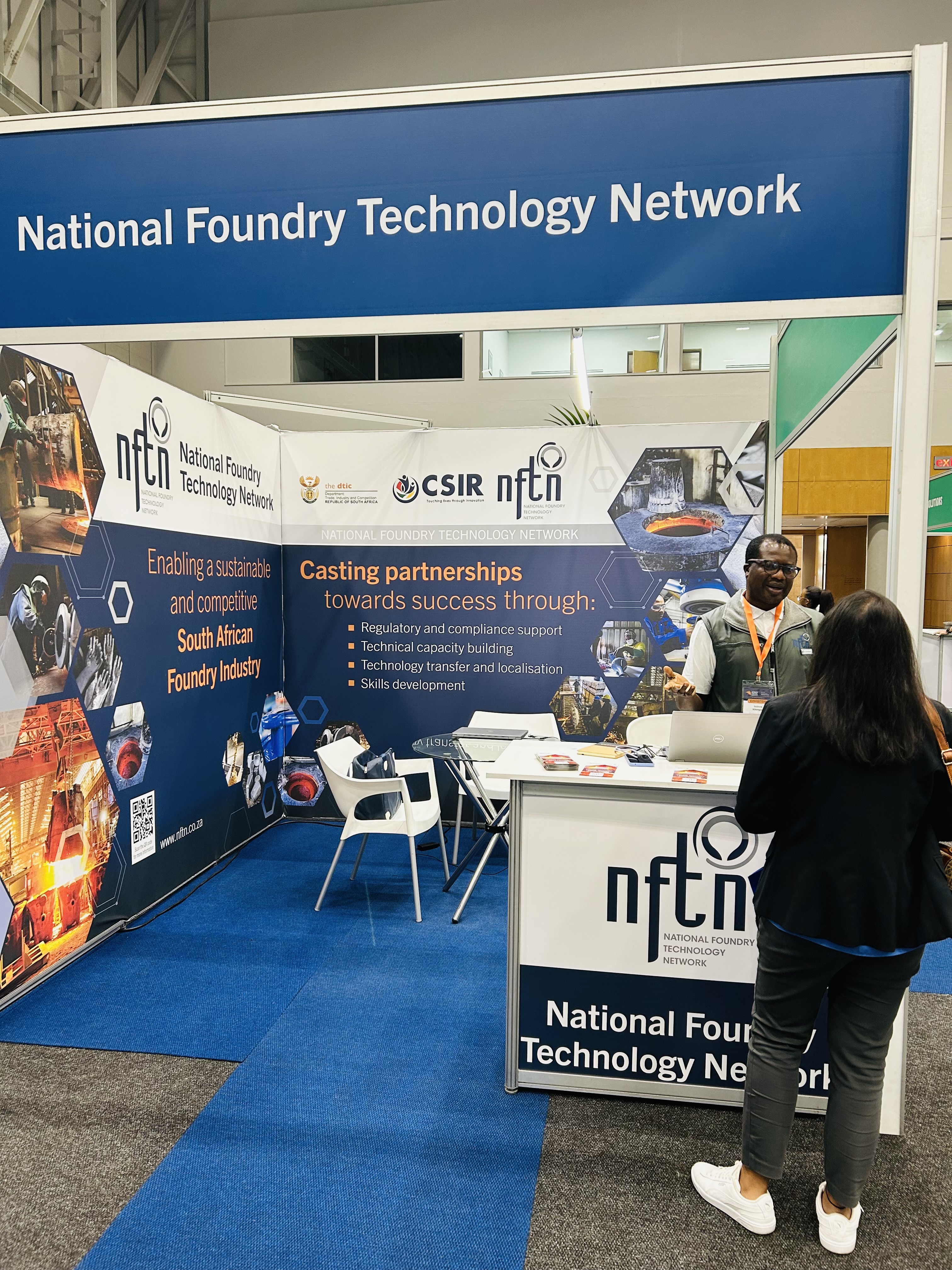
The National Foundry Technology Network (NFTN) recently participated in the Africa Energy Indaba from 03-05 March 2026 at the Cape Town International Convention Centre, engaging with stakeholders on the role of local manufacturing in supporting South Africa’s energy and industrial development.
The Indaba created an opportunity for the NFTN to showcase its work in strengthening the country’s foundry industry, particularly in skills development, technology transfer and research, development and innovation (RDI). Over the course of the exhibition, the NFTN stand attracted approximately 80 visitors, including representatives from industry, government, academia and small and medium enterprises.
Discussions at the stand focused on raising awareness of the NFTN’s mandate and the support it provides to industry. Many visitors were interested in how the network contributes to revitalising the foundry sector and improving its competitiveness within the energy value chain. The engagements also opened up space for further conversations around collaboration and potential partnerships.
“The Africa Energy Indaba provides an important platform for us to engage directly with stakeholders and showcase the work we are doing to support the foundry industry,” said Isidore Kilongozi, Senior Project Manager at the NFTN
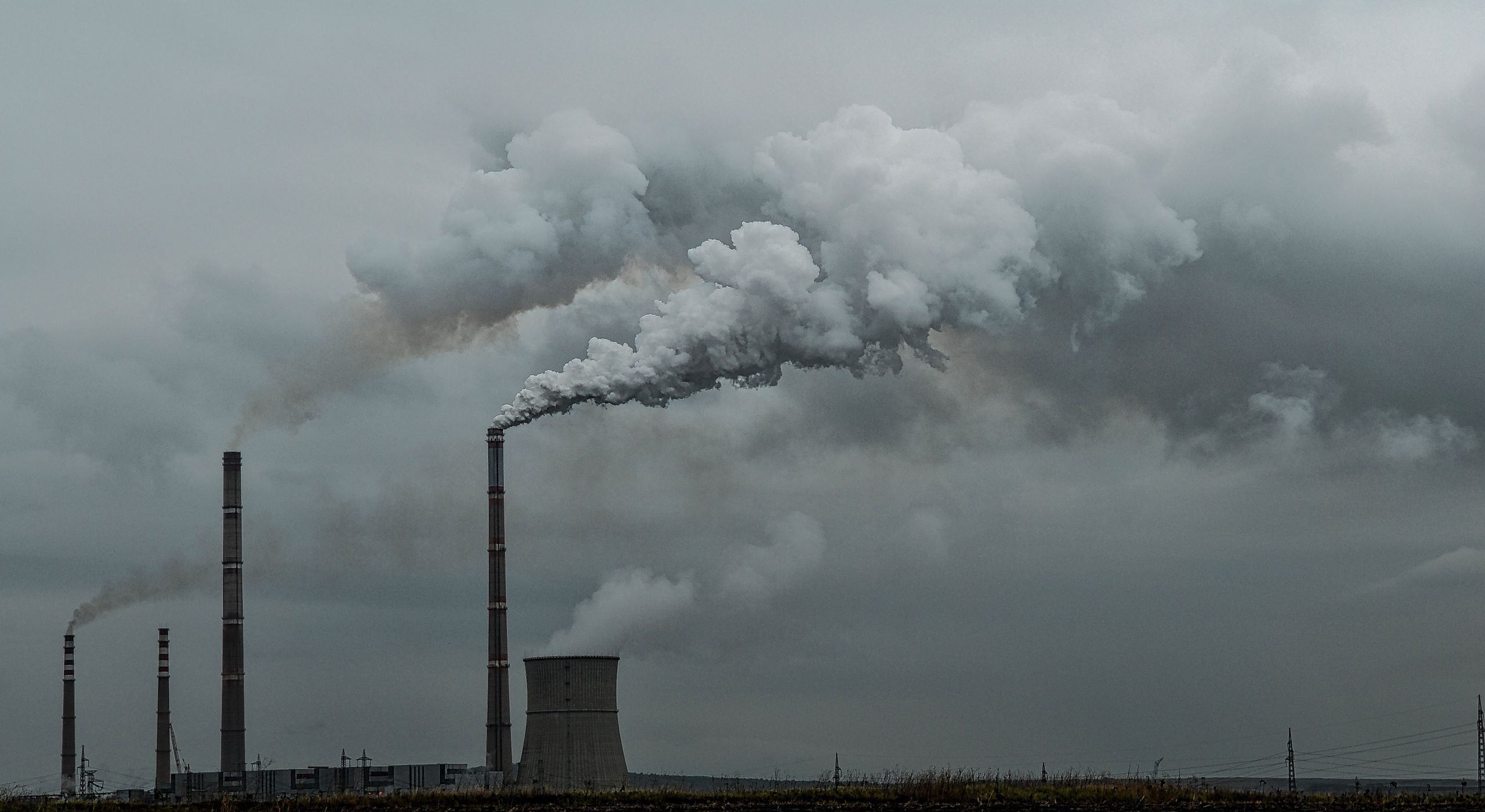
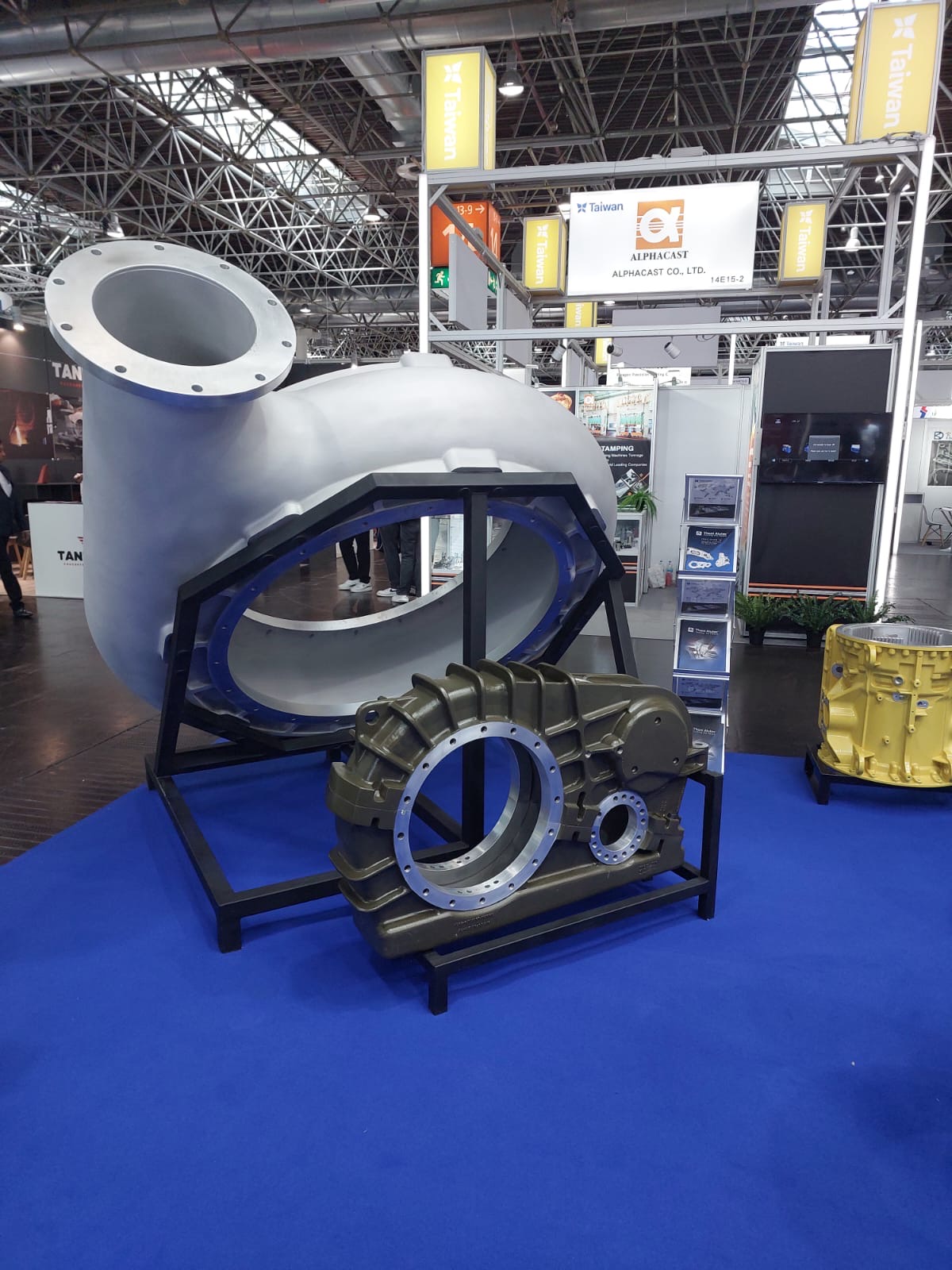
He added that there is a growing interest in strengthening local manufacturing, and that platforms like this help the NFTN connect with organisations working towards similar goals. He noted that the rising cost of electricity and raw materials remains a key challenge for foundries, driving the need to optimise energy use and improve resource efficiency. He further highlighted that downward tariff pressures on value-added manufactured products, such as valves and pumps, are contributing to an increase in imports, particularly low-value, high-volume castings. This, he said, underscores the need for foundries to explore relevant technologies, including investment in renewable energy where feasible, as well as other energy efficiency initiatives to remain competitive in South Africa.
The engagement also pointed to the broader importance of building a capable and sustainable manufacturing sector to support South Africa’s energy transition. Continued investment in skills development and innovation remains critical to addressing current challenges in the sector while positioning it for future growth.
Through its participation, the NFTN reaffirmed its commitment to supporting the growth and modernisation of the foundry industry. Platforms such as the Africa Energy Indaba remain important for building relationships, sharing knowledge, and positioning local capabilities within the evolving energy landscape.