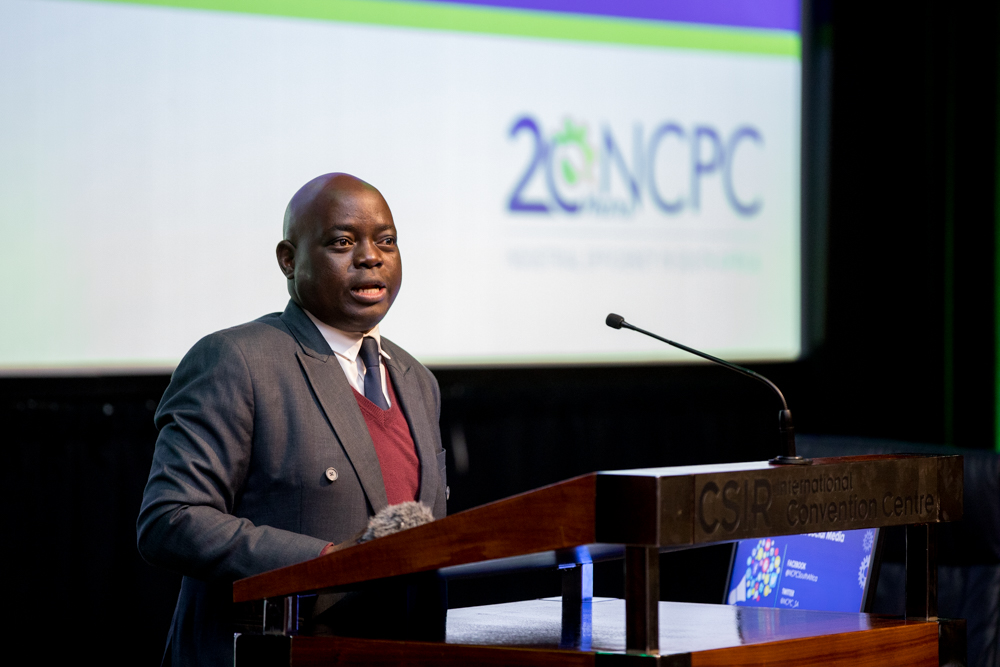
The National Foundry Technology Network (NFTN) has adopted a strategic approach to facilitating alignment between Original Equipment Manufacturer (OEM) and appropriate casting suppliers, with the aim of addressing the market access challenges many local foundries are struggling with,” said Isidore Kilongozi, Senior Project Manager at NFTN.
In 2016, a local aluminium casting foundry, with a mix of 80% sand casting and 20% gravity die casting, which manufactures mainly manifold and fan blade castings from various grades of aluminium material specification, was faced with a Section 24G directive from the Gauteng Department of Agriculture and Rural Development (GDARD). The business was threatened with closure due to the unlawful commencement of operations without obtaining the approval of the relevant environmental requirements, continued Kilongozi.
The directive does allow a person or entity to apply for retrospective environmental authorisation for activities that were started without the required prior environmental authorisation (a process known as Environmental Impact Assessment or EIA). GDARD is the competent authority responsible for processing these applications in the Gauteng province.
To prevent liquidation and subsequent job losses, the management of the foundry at that time decided to sell the controlling shares to previously disadvantaged shareholders.
The foundry owners then approached the NFTN for support during the transition. A strategic plan, which incorporated all the necessary attributes to ensure increased production and pollution control, was developed for the way forward. These included strategies to grow the company significantly, as well as implementing modifications to the plant layout and capital equipment modernisation necessary for pollution control and environmental compliance. Other essential needs, such as a sand reclamation plant to minimise sand dumping, were also recommended, said Kilongozi.
The NFTN successfully initiated a series of interventions at the foundry that included the facilitation of the Section 24G directive, the implementation of the lean manufacturing process layout and the fulfilment and certification of the Quality Management System to allow easier market access. These interventions resulted in stabilising the foundry, ensuring its survival and positioning the business for localisation opportunities, added Kilongozi.
As a result of these interventions, the foundry has seen positive changes and is now approved by a leading OEM manufacturer of industrial fans in South Africa to supply aluminium fan blade castings, which are then fabricated into turnkey industrial fan systems. These turnkey systems are used by big corporate companies such as SASOL, ESKOM and Simunye Energy, as well as other companies operating in the mining sector and food processing industry.
The exclusive contract signed between the two parties for the next three years for the supply of aluminium fan blade castings ensures market access security and secures more than 20 direct jobs.
The firm has also seized the opportunity to improve its position in the marketplace by investing in a sand reclamation plant valued over one million rand. The impact achieved is a showcase of the NFTN’s contribution towards improving foundries’ competitiveness and growing the local economy,” concluded Kilongozi.