
NFTN Services
NFTN Focus Areas
The NFTN is mandated to establish a network that provides support to the foundry industry through four focus areas:
Capacity building is a core pillar of the NFTN’s mandate to strengthen the competitiveness and sustainability of the South African foundry industry. Through comprehensive technical and operational support, the programme empowers foundries to optimise their production processes, reduce inefficiencies, and adopt best-practice manufacturing standards.
Reduction of Scrap
High scrap rates contribute significantly to production costs and lost revenue. The NFTN provides hands-on technical assistance aimed at identifying root causes of casting defects, improving melt quality, optimising moulding and core-making processes, and strengthening process control. By applying metallurgical analysis, statistical process control, and defect elimination techniques, the NFTN supports foundries in achieving consistent casting quality and reducing scrap rates to globally competitive levels.
Energy Efficiency Improvements
Energy represents one of the highest cost drivers for foundries. The NFTN’s energy efficiency interventions focus on furnace optimisation, improved combustion systems, proper insulation, and efficient energy management practices. Energy audits, equipment assessments, and operator training allow foundries to reduce their overall energy consumption, lower production costs, and minimise environmental impact.
Improving Man-Hours per Ton
Production efficiency depends on how effectively labour is utilised. By introducing lean manufacturing principles, work-study analysis, and optimised workflow layouts, the NFTN helps foundries streamline operations and reduce non-productive time. Improved scheduling, equipment uptime, and tool utilisation contribute to better man-hours per ton and enhanced productivity.
Quality Improvement
Quality assurance is essential to meeting customer requirements, especially in critical sectors such as automotive, defence, and rail. The NFTN works with foundries to implement robust quality management systems, standard operating procedures, and process documentation. Training on defect prevention, testing methods, and metallurgical best practices ensures foundries consistently produce high-quality castings.
Increased Productivity Initiatives
Productivity enhancement programmes include equipment modernisation guidance, production flow optimisation, proper raw material handling, and automation opportunities. These interventions enable foundries to increase throughput, minimise downtime, and improve overall plant performance, ultimately creating a more competitive industry.
A skilled workforce is central to advancing the foundry industry. The NFTN focuses on developing human capital to address the sector’s skills shortage and build a pipeline of qualified professionals capable of meeting current and future industry needs.
Technical Skills Training for Employees
The programme supports training on melting practices, patternmaking, moulding and core-making, metallurgy, quality control, and equipment operation. This ensures employees possess the technical competencies needed to perform their roles effectively and safely.
In-House Training Programmes
Customised training sessions are delivered directly at foundries, tailored to the specific operational challenges and equipment used in each plant. This approach ensures that skills acquired are immediately applicable in the workplace, boosting operational effectiveness.
Artisan Development and Training
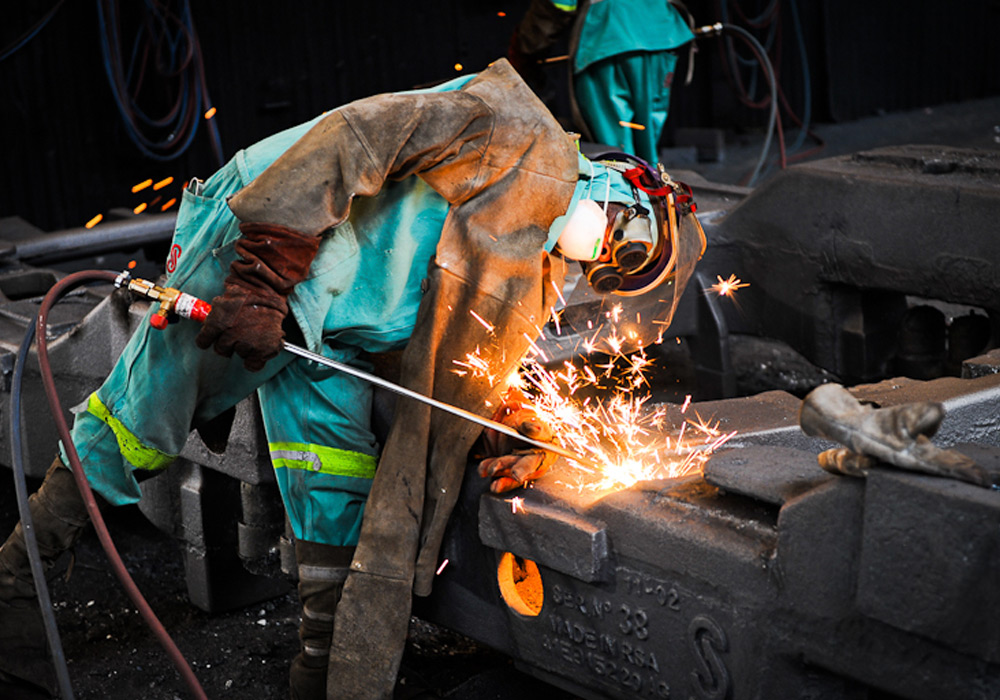
Artisan shortages remain one of the industry’s biggest constraints. The NFTN supports artisan upskilling and qualification pathways, focusing on foundry-specific trades such as patternmakers, moulders, melters, welders, electricians, and fitters. Practical training equips artisans with the expertise to maintain production efficiency and equipment reliability.
Intern Placement and Skills Pipeline Development
To build future industry capacity, the NFTN facilitates the placement of interns, graduates, and trainees within foundries. This provides young professionals with exposure to real industrial environments, while simultaneously supporting transformation and long-term sustainability of the sector.
Environmental sustainability is essential for the long-term viability of the foundry sector. The NFTN assists foundries in meeting regulatory requirements and adopting responsible practices that minimise environmental harm.
Foundry Spent Sand Management
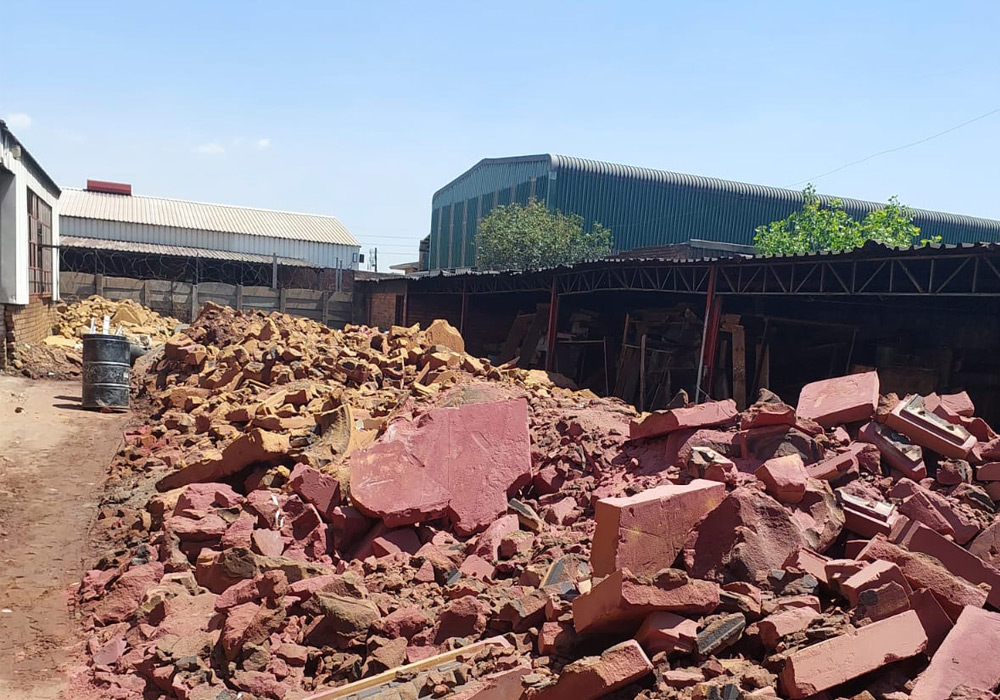
Improper disposal of spent foundry sand poses both environmental and compliance risks. The NFTN guides foundries on reuse, recycling, and safe disposal options in line with national regulations. Support includes waste characterisation, process optimisation to reduce waste generation, and exploring alternative beneficiation opportunities.
Air Emissions Compliance
Foundries must comply with the National Environmental Management: Air Quality Act. The NFTN supports emission monitoring, equipment assessment, and technical advice on controlling pollutants such as particulate matter, VOCs, and combustion-related emissions. Foundries receive guidance on installing or upgrading baghouses, scrubbers, and other emission control technologies.
Housekeeping and Operational Cleanliness
Good housekeeping is critical for safety, compliance, and operational efficiency. NFTN interventions aim to improve plant layout, material flow, dust control, and waste separation. These measures reduce contamination risks, enhance safety, and support a more organised and compliant production environment.
Growing the foundry sector is essential for industrialisation, localisation, and job creation. The NFTN plays a strategic role in stimulating growth and ensuring the industry remains globally competitive.
Attracting Inward Investment
Investment is needed to modernise plants, upgrade technologies, and expand production capacity. NFTN activities include preparing investment cases, supporting technology roadmaps, and guiding foundries on industry standards required to attract investors and OEM partnerships.
Enhancing Return on Investment
By assisting foundries to improve efficiency, reduce waste, and increase productivity, the NFTN helps companies achieve better returns on capital investment. This ensures long-term sustainability and positions the industry for growth.
Responding to Market Opportunities
The NFTN identifies emerging trends and market opportunities in both local and international markets, such as automotive localisation, renewable energy components, rail infrastructure, defence, and export markets. Market intelligence helps foundries diversify their offerings and align production capabilities with demand.
Modernisation and technology adoption are essential for South African foundries to compete globally. The NFTN acts as an enabler of technological advancement across the sector.
Technology Upgrades and Modernisation
Support includes guidance on furnace upgrades, mechanised moulding lines, simulation software, alloy development, and testing equipment. These upgrades reduce defects, improve consistency, and enable higher-volume production.
Innovation and Advanced Manufacturing
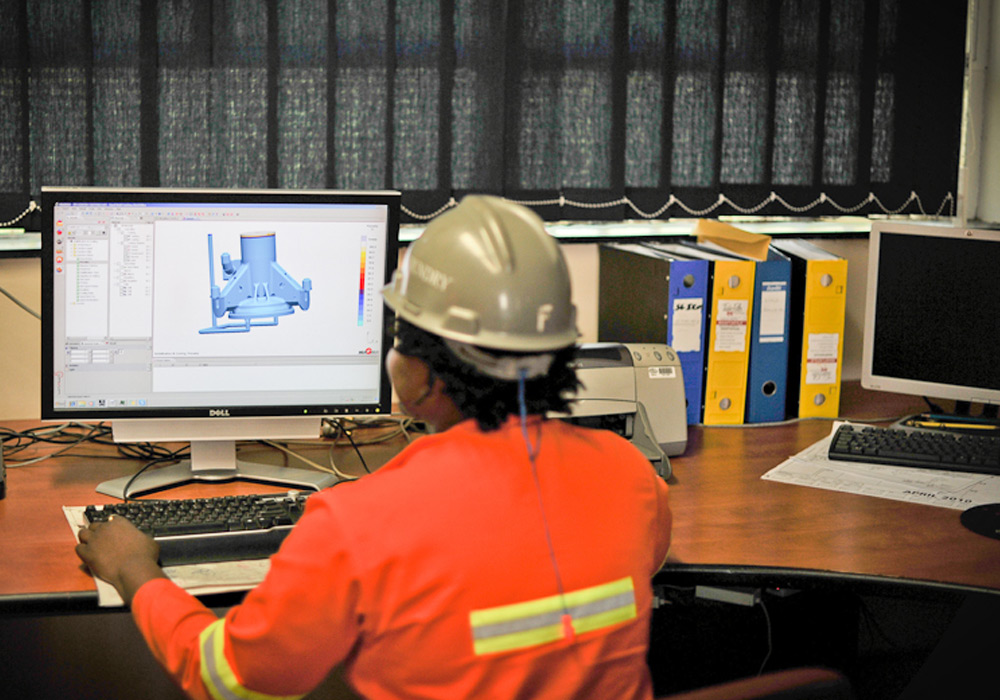
The NFTN encourages the adoption of digital foundry technologies such as 3D printing for patterns and cores, simulation tools for casting optimisation, and data-driven process control. These innovations reduce time-to-production, improve accuracy, and open opportunities for complex castings.
Research and Development Support
Through collaboration with research institutions, universities, and industry experts, the NFTN drives R&D programmes focused on improving casting materials, developing new alloys, and solving technical challenges that hinder competitiveness.
Collaboration is essential to address the systemic challenges faced by the South African foundry industry.
Public–Private Collaboration
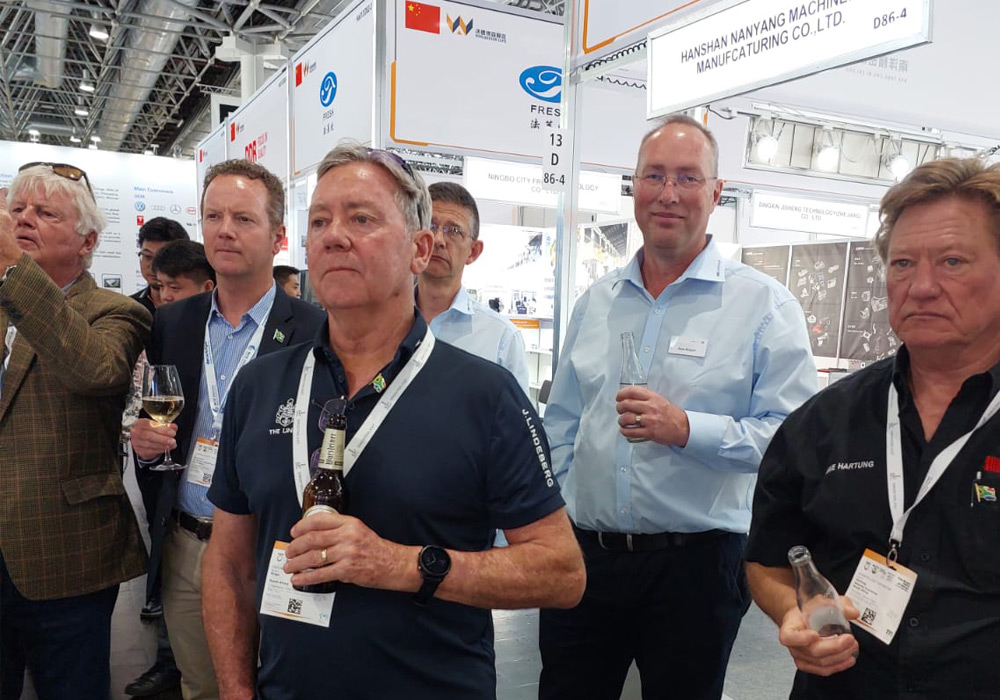
The NFTN acts as a bridge between government, industry associations, academia, and foundries. By fostering coordinated initiatives, the programme strengthens policy alignment, supports transformation, and encourages industry-wide problem-solving.
Addressing System-Level Constraints
NTFN initiatives focus on resolving shared challenges such as technical skills shortages, outdated equipment, limited R&D investment, quality inconsistencies, and market access barriers. Collaborative interventions ensure solutions benefit the entire industry.
Driving Sector Competitiveness
Through coordinated projects, policy dialogue, and capacity-building partnerships, the NFTN enhances the industry’s ability to compete both locally and internationally. This contributes to job creation, industrial development, and the overall strengthening of South Africa’s manufacturing base.
How the NFTN supports South African foundries